January 15, 2026
With an estimated 5.8 million non-fatal crashes taking place each year in the United States, collisions are not rare or extraordinary events—they are part of the everyday driving experience for millions of Americans. This overwhelming number highlights just how quickly a routine commute can turn into a stressful, expensive, and even life-changing situation. In a nation where crashes happen with such frequency, relying on limited protection or outdated policies is a risk many drivers cannot afford to take. The importance of having adequate car insurance coverage becomes undeniable when viewed through the lens of how often accidents occur and how costly their aftermath can be.
Understanding the Risks of Non-Fatal Crashes
Non-fatal crashes disrupt millions of lives every year. When statistics reveal that 5.8 million of these incidents occur annually, according to Bankrate, the message is clear: every driver is exposed to a significant level of risk each time they enter the roadway. These collisions range from minor fender benders to serious incidents that leave long-lasting physical and emotional effects. No matter how carefully a person drives, they cannot control the actions of other motorists, road conditions, or unexpected hazards.
Many injuries caused by non-fatal crashes do not reveal themselves immediately. Whiplash, soft-tissue injuries, and concussion symptoms often appear hours or days after the event. Because crash-related injuries are so widespread, adequate car insurance plays a critical role in ensuring timely medical treatment. Without appropriate coverage, accident victims may delay seeking care due to concerns about cost, which can make injuries harder to treat and recovery more difficult.
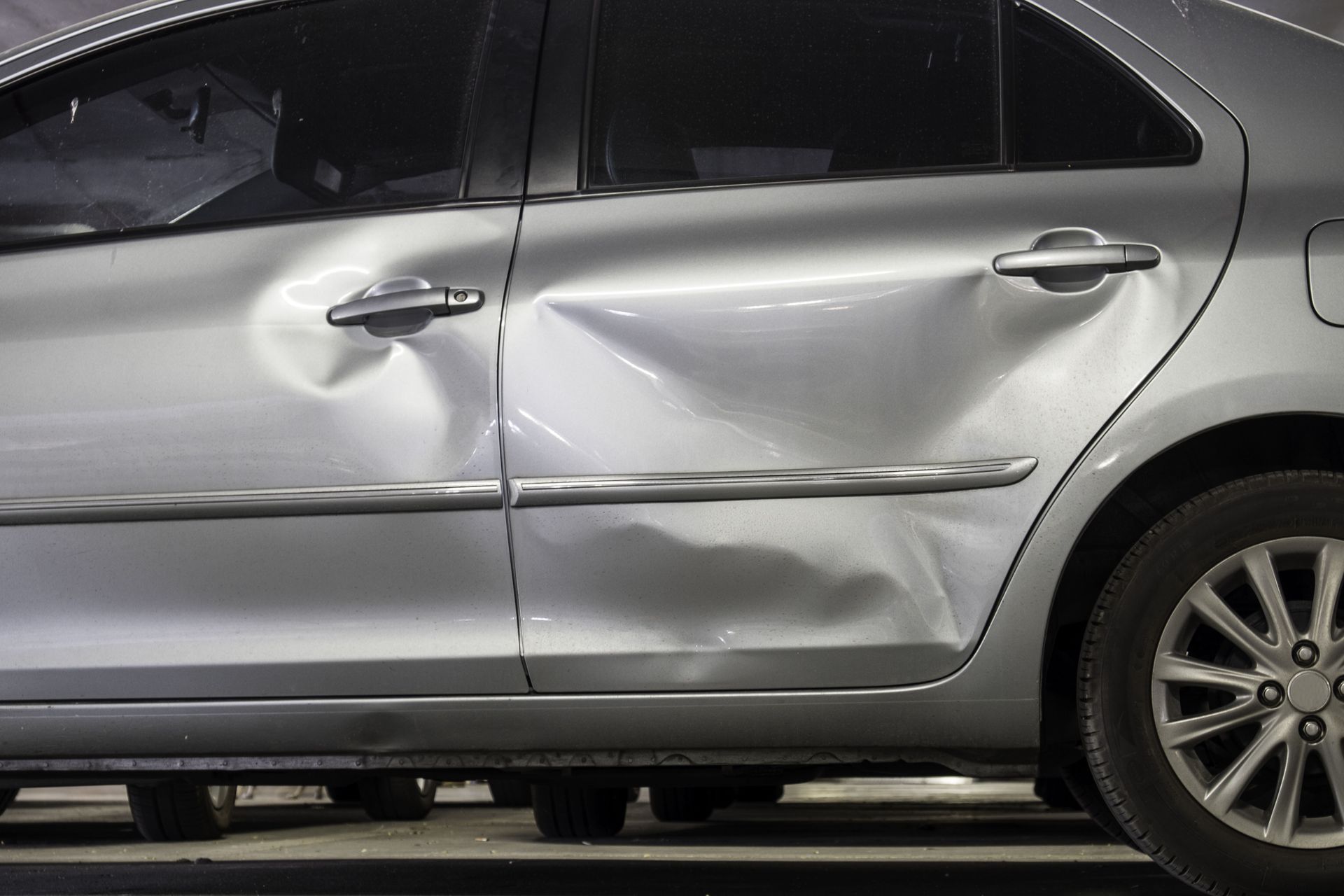
Vehicle damage is another inevitable consequence of high crash rates. Repair costs have risen significantly over the past decade due to advanced vehicle technology, including sensors, cameras, automated braking systems, and upgraded bumpers. Even a seemingly minor collision can result in thousands of dollars in repairs. When considering the frequency of crashes nationwide, it becomes easy to see why sufficient car insurance coverage for repairs, replacement parts, and rental reimbursement is essential. Drivers without adequate protection often find themselves paying large bills out of pocket, placing a strain on personal finances.
These widespread risks also extend beyond physical and financial consequences. The emotional impact of a crash—fear, anxiety, and sometimes long-term trauma—can affect individuals and families for months or even years. Understanding the true scope of non-fatal crashes reinforces why motorists should never take shortcuts with their car insurance policies.
Comprehensive Insurance: A Shield Against Financial Hardship
As millions of non-fatal crashes and countless other vehicle-related incidents occur annually, comprehensive coverage becomes a vital component of any well-rounded car insurance policy. Comprehensive insurance protects drivers from losses that are not directly related to collisions, including theft, vandalism, falling objects, fire, and weather-related damage.
When natural disasters strike—which they do more frequently than many realize—vehicles are often among the first assets affected. Flooding, hurricanes, tornadoes, hailstorms, and wildfires can destroy or severely damage thousands of vehicles in a single event. Without comprehensive protection within their car insurance policy, drivers may be forced to absorb the cost of replacing these vehicles entirely on their own.
Medical expenses related to crashes can escalate rapidly, especially when multiple passengers are involved or advanced diagnostic testing is required. Comprehensive coverage may help cover medical treatments, depending on the structure of the policy and the state’s insurance regulations. Considering that millions seek medical care after non-fatal crashes each year, having additional protection is increasingly important for ensuring financial security.
Legal risks also rise as accident rates climb. Disputes involving fault, injuries, or property damage can quickly escalate to legal proceedings. Comprehensive features within car insurance policies often include legal defense and settlement assistance, helping policyholders avoid significant out-of-pocket expenses when managing claims or lawsuits. The more accidents there are on the roads, the more likely individuals are to find themselves involved in disputes, making this type of protection indispensable.
Liability Insurance: Protecting Against Unforeseen Claims
Because millions of non-fatal crashes occur each year, the probability of causing damage to another person or their property is substantial. Liability insurance is the foundation of all car insurance policies because it covers the financial responsibilities that come with being at fault in an accident. When crashes are this common, liability protection is not optional—it is a necessity.
Liability coverage for bodily injury pays for medical expenses, rehabilitation, and sometimes lost wages for individuals injured by the policyholder. With so many collisions recorded annually, even responsible drivers must prepare for the possibility that they might one day be responsible for injuring another motorist, cyclist, or pedestrian. Without sufficient liability coverage, drivers could face significant financial hardship, including lawsuits and wage garnishments.
Property damage liability is equally important. Collision-related property damage goes far beyond other vehicles. Fences, mailboxes, business fronts, and public infrastructure are damaged every day. As traffic and crash rates increase, so do property damage claims. Adequate car insurance ensures that policyholders are not forced to personally bear these expenses.
Legal defense, which is included in many liability coverage plans, can help protect assets and income. Considering the volume of crashes occurring each year, drivers with inadequate liability limits face significant risks that extend far beyond the crash itself. A single at-fault accident without proper liability protection can create long-term financial difficulties.
Understanding Collision and Comprehensive Coverage
Collision coverage specifically addresses damages resulting from accidents with other vehicles or objects. In a country experiencing 5.8 million non-fatal crashes annually, the need for collision protection within a car insurance policy cannot be overstated. Whether a driver is responsible for the accident or not, collision insurance ensures access to repairs or replacement.
Comprehensive coverage, meanwhile, shields drivers from events not related to collisions. Together, collision and comprehensive coverage form what many insurers refer to as “full coverage car insurance.” Because so many risks exist on and off the road, most drivers benefit from carrying both types of protection—especially those with newer or high-value vehicles.
Discounts, Deductibles, and Premiums: Making Coverage Affordable
High national crash statistics influence premiums across the industry. When accidents are this common, insurers must adjust rates to reflect heightened risks. Understanding how car insurance premiums are calculated empowers consumers to make informed decisions about their coverage.
Deductibles play a direct role in how much drivers pay after filing a claim. Selecting a higher deductible can lower premiums but increases the upfront cost following an accident. According to Forbes, when drivers raise their deductible, they can save between 7% and 28%. Considering how often crashes occur, choosing the right deductible becomes an important financial strategy.
To help offset the cost of robust coverage, insurers offer a variety of discounts. Safe driving programs, multi-policy bundles, anti-theft devices, telematic monitoring, student discounts, and defensive driving course certifications can significantly reduce car insurance costs. These incentives encourage safer driving habits, which ultimately help reduce national crash statistics over time.
Regular policy reviews are equally important. As vehicles age, driving patterns change, and new discounts become available, updating a car insurance policy makes sure drivers always receive the best value and the most relevant protection. Given the frequency of non-fatal crashes across the country, staying proactive with coverage is vital.
With 5.8 million non-fatal crashes occurring each year in the United States, the importance of carrying adequate car insurance cannot be understated. From medical care and vehicle repairs to legal protection and financial stability, comprehensive coverage provides the security drivers need in an environment where accidents are far too common. By understanding the risks, evaluating coverage options, and selecting policies that offer genuine protection, motorists can safeguard their well-being and their future in a world where the likelihood of a crash is higher than ever. Looking for car insurance? Contact Ramsey Family Insurance today to learn more.