November 9, 2026
Most drivers assume that if someone else causes a crash, that driver's insurance will pay for the damage. Unfortunately, that isn't always the case. Some drivers on the road carry no insurance at all, while others carry only the minimum required by law, which may not come close to covering the full cost of a serious accident. Whether you're commuting on I-24, driving through downtown, or heading up Signal Mountain, an accident with an uninsured driver can leave you facing major expenses. Below, we'll explain how Chattanooga drivers can protect themselves from uninsured motorists and how to choose coverage that gives you real peace of mind.
Understanding the Risk on the Road
Uninsured drivers are more common than many people realize. According to Forbes, one in eight drivers don't have car insurance. That means a single drive across town during rush hour could put you near several drivers who wouldn't be able to pay for damage if they caused a crash. Chattanooga's busy interstates, growing population, and steady stream of travelers passing through on I-24 and I-75 all increase the number of vehicles you encounter each day. Even the most careful driver can't control what others do behind the wheel. Planning for the possibility of an accident with an uninsured motorist is one of the smartest steps you can take to protect yourself and your family.
Knowing Tennessee's Minimum Requirements
Tennessee requires drivers to show proof of financial responsibility, which most people meet by carrying auto liability insurance. The state minimum limits are $25,000 for bodily injury per person, $50,000 for bodily injury per accident, and $25,000 for property damage. While these limits satisfy the law, they may not be enough to cover the cost of a serious crash, especially one involving multiple injuries or a newer vehicle. It's also important to remember that liability coverage pays for damage you cause to others, not damage caused to you. That's why relying on minimum coverage alone can leave gaps in your protection. Many auto insurance companies offer higher limits and additional coverage options that can help close those gaps.
Adding Uninsured Motorist Coverage
Uninsured motorist coverage is designed to help protect you when you're hit by a driver who has no insurance. It can help pay for medical bills, lost wages, and other costs related to injuries you or your passengers suffer in the crash. In Tennessee, auto insurance companies are required to include uninsured motorist coverage when offering a policy, though drivers can reject it in writing. Because the coverage can make such a big difference after an accident, it's worth carefully considering before turning it down. Uninsured motorist property damage coverage may also be available to help pay for repairs to your vehicle, often with a small deductible. We can help you review these options and decide what makes sense for your situation.
Considering Underinsured Motorist Protection
Even when the other driver has insurance, their coverage may not be enough. If someone carrying only the state minimum causes a crash that results in serious injuries, their policy limits could be used up quickly. Underinsured motorist coverage can help pay the difference between the other driver's limits and your actual costs, up to the limits of your policy. This type of protection is especially valuable when medical bills, rehabilitation, and time away from work start adding up. Many drivers don't realize how quickly costs can exceed minimum coverage until they're dealing with an accident. Pairing uninsured and underinsured coverage can provide more complete protection on the road.
Protecting Your Vehicle
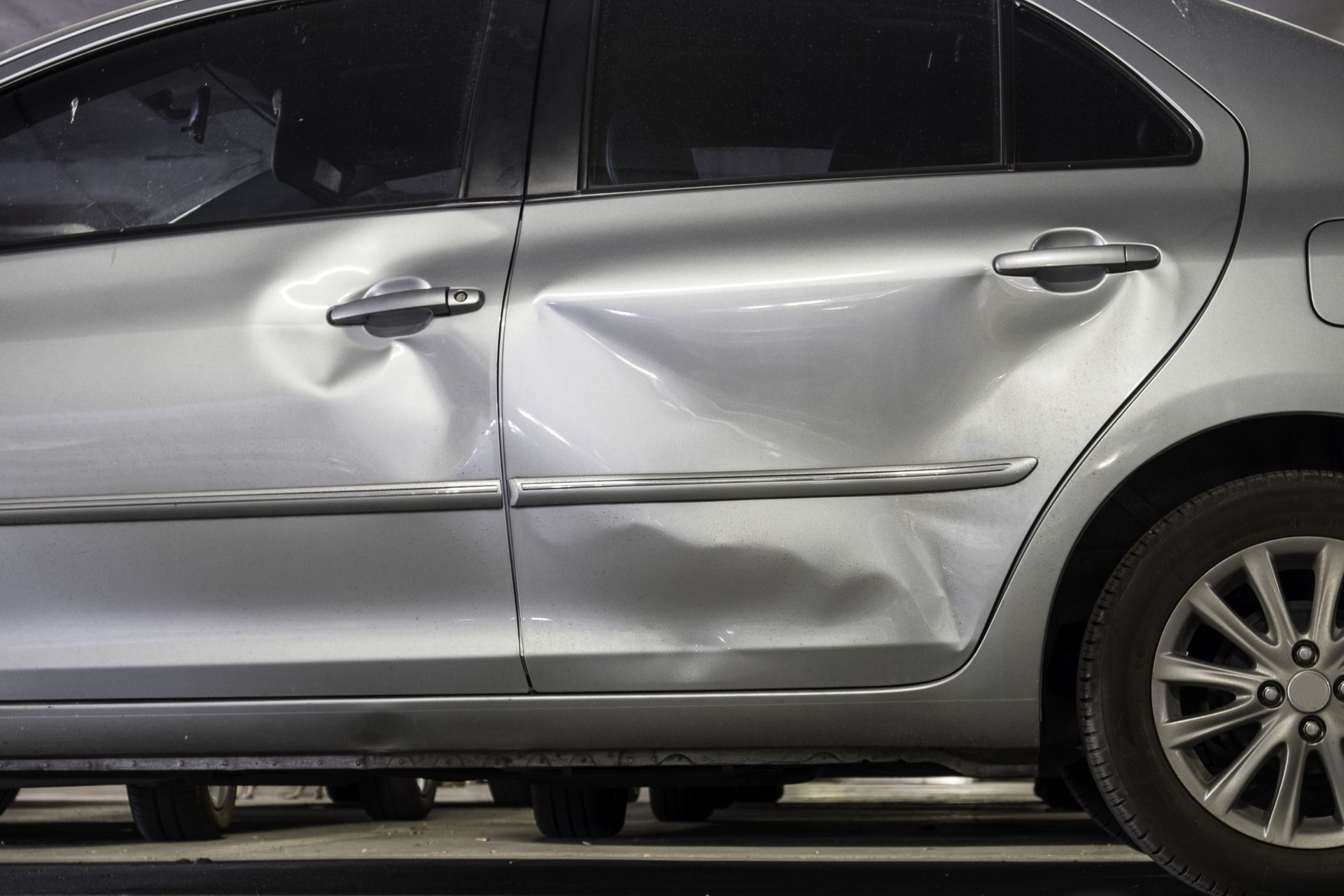
Uninsured motorist coverage focuses largely on injuries, so it's important to think about how your vehicle will be repaired after an accident. Collision coverage can help pay to repair or replace your vehicle after a crash, regardless of who's at fault, subject to your deductible. That can be especially helpful if the other driver is uninsured or leaves the scene. Comprehensive coverage protects against other risks like theft, vandalism, hail, falling trees, and collisions with animals. If you're financing or leasing your vehicle, your lender may require these coverages. Talking through your options with a licensed agent can help you choose the right deductibles and limits for your budget.
Planning for Medical Costs
Medical bills are often the most expensive part of an accident. Ambulance rides, emergency room visits, follow-up appointments, and physical therapy can add up quickly, even after a seemingly minor crash. Health insurance may cover part of these costs, but deductibles, copays, and coverage limits can still leave you with significant expenses. Depending on your policy, medical payments coverage may help pay certain medical costs for you and your passengers regardless of fault. Combined with uninsured and underinsured motorist coverage, it can help reduce the financial strain while you focus on recovering. Reviewing these options before an accident happens gives you more confidence on the road.
Reviewing Your Coverage Regularly
Your insurance needs can change over time. Buying a new vehicle, adding a teen driver, moving to a new home, or changing jobs can all affect the coverage that makes the most sense for you. Many people set up a policy once and never revisit it, which can leave them underinsured years later. Reviewing your policy each year helps confirm that your limits still match your vehicles, income, and assets. It's also a good opportunity to ask about discounts, such as multi-car, homeowners, and prior insurance discounts, that may help lower your premium. Because rates, discounts, and coverage options vary among auto insurance companies, a quick review can also uncover gaps or savings before they become costly problems.
Knowing What to Do After an Accident
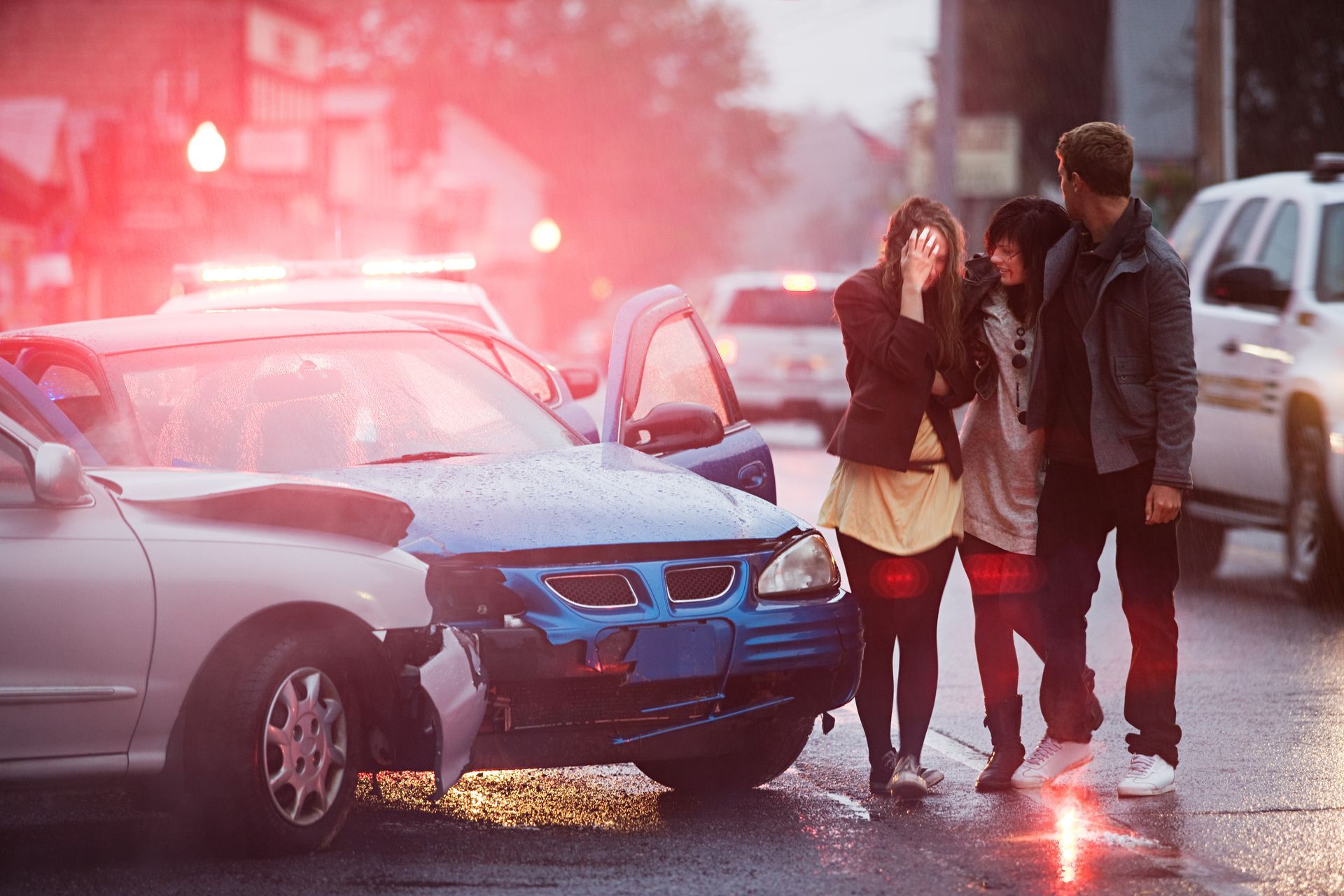
If you're involved in a crash with a driver who may be uninsured, the steps you take right away can make a difference. First, check for injuries and call 911 if anyone is hurt. Contact the police so an official report can be filed, since this documentation is often important for uninsured motorist claims. Take photos of the vehicles, the scene, and any visible injuries, and gather the other driver's information if possible. If the other driver leaves the scene, try to note the license plate, vehicle description, and direction of travel. Contact your insurance provider as soon as possible to report the accident and begin the claims process.
Working With a Local Insurance Agency
Choosing the right coverage can feel confusing, especially when you're comparing limits, deductibles, and optional protections. Working with a local agency gives you access to licensed agents who understand the risks Chattanooga drivers face every day. Rather than handing you a one-size-fits-all policy, a knowledgeable agent can take the time to understand your vehicles, driving habits, and budget. Not all auto insurance companies offer that level of personal attention, but it can make a big difference when you have questions or need help after an accident. As you compare auto insurance companies and policy options, having a trusted advisor in your corner can help you make confident decisions.
At Ramsey Family Insurance, we're a locally, family, and veteran-owned agency that has been helping drivers throughout Chattanooga, East Tennessee, North Georgia, and the surrounding areas for 50 years. Our licensed agents work with drivers to build personalized auto coverage at competitive rates, and we also offer SR-22, renters, motorcycle, boat, RV, commercial vehicle, and specialty vehicle insurance. Unlike many
auto insurance companies, we take the time to get to know you and tailor a plan to your needs. You may also qualify for multi-car, homeowners, and prior insurance discounts. Contact Ramsey Family Insurance today to request your free quote.